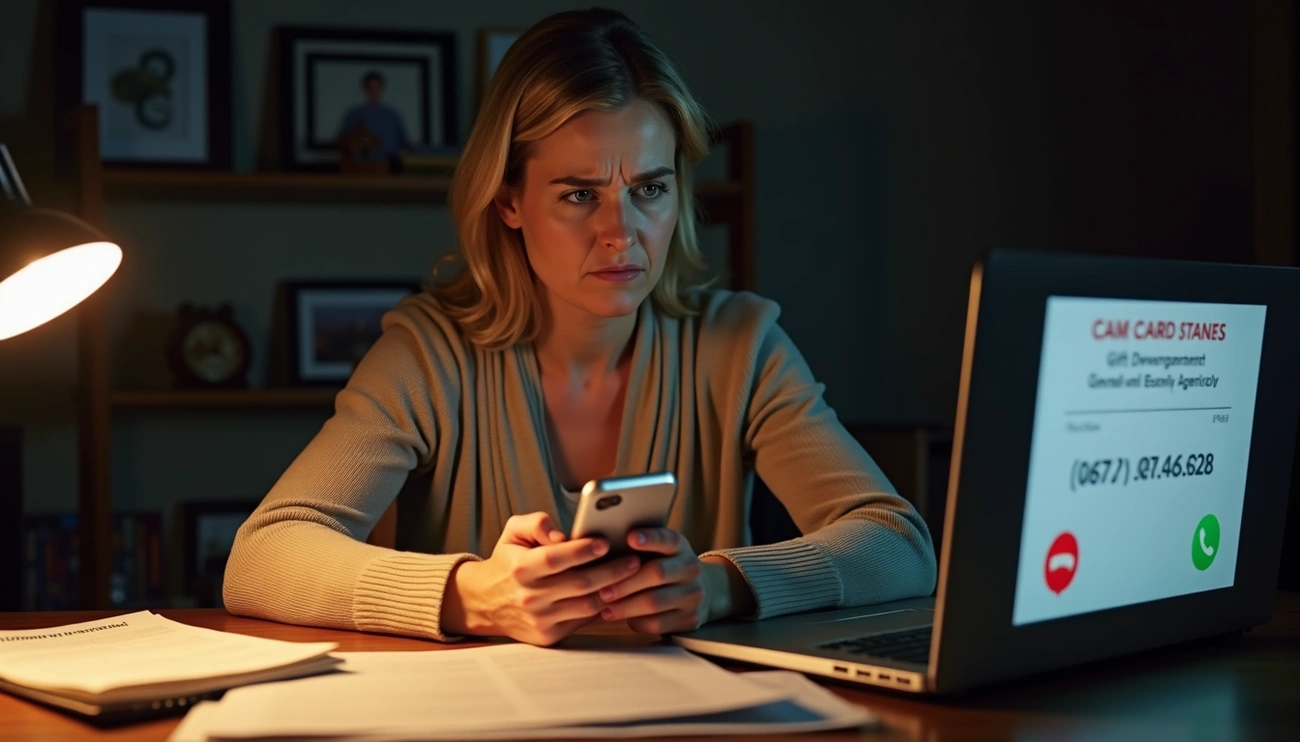
The FCC’s records show a staggering 2.1 million fraud reports from consumers in 2020, with scammers stealing about $3.3 billion. Unwanted calls, especially illegal and spoofed robocalls, remain the FCC’s biggest consumer complaint and their top consumer protection priority.
People lose huge sums of money to phone scams each year, and some victims watch their life savings disappear. Modern scammers use sophisticated methods like voice phishing or “vishing” to steal personal information from their targets. Their tools let them blast millions of robocalls daily while hiding behind fake caller IDs.
These phone scams become especially dangerous because they sound so real. The scammers often claim to be government officials from the Department of Veterans Affairs or the Social Security Administration and tell you there’s a problem with your social security number. Some take an aggressive approach by pretending to be law enforcement agents who threaten you with arrest, fines, or deportation unless you pay right away.
This piece will give you the practical, expert-tested strategies you need to spot and prevent phone scams. You’ll learn to identify warning signs and discover effective tools that work to protect yourself and your family from these relentless threats.
How to Know If You Are Being Scammed on the Phone
Phone scams are everywhere, and you need watchfulness and awareness to spot them. Scammers keep improving their techniques, but they leave patterns you can spot if you know what to look for.
Common signs of a scam call
Phone scammers show behaviors that reveal their deceptive plans. A red flag appears when callers use phrases like “You must act now or the offer won’t be good” or “You’ve won a free gift, vacation, or prize” but ask for handling charges. Real businesses let you think over their offers, while scammers rush you to decide right away.
Watch for these warning signs:
- They ask for wire transfers, gift cards, cryptocurrency, or prepaid debit cards
- They insist you keep the conversation secret from family members or your bank
- They refuse to send written information about their company
- They say you’ve been “specially selected” for an offer
- You get calls that start with pre-recorded messages (robocalls)
Why caller ID can’t be trusted
Caller ID seems helpful, but scammers manipulate it easily. These criminals use “spoofing” to fake the information on your caller ID and hide who they really are. Your screen might show calls from government agencies, banks, or local numbers that match your area code.
Research reveals that 86% of people won’t pick up calls—even with caller ID information showing—because they don’t trust what they see. On top of that, 43% of scam victims answered calls because fake caller ID made them believe trusted sources were calling.
How scammers use urgency and fear
Scammers know how to play with your emotions, especially through urgency and fear. They create fake emergencies that need immediate action—like saying your bank account might close or an offer will expire soon. This pressure stops you from getting a full picture or asking others for advice.
They also use scare tactics by threatening legal trouble, arrest, or identity risks to make you act fast. Some scammers claim they have embarrassing information or threaten your family members.
The best response to a caller who creates panic or demands immediate payment is to pause and check things independently. Real organizations are happy to let you call them back through their official numbers.
Types of Phone Scams to Watch Out For
Phone scammers keep coming up with new ways to steal your money and personal information. You can protect yourself by learning about their most common tricks and evolving strategies.
Impersonation scams
Scammers pose as representatives from organizations you trust. They claim to be from government agencies like the IRS or Social Security Administration, law enforcement, or prominent businesses. These criminals use spoofing to make their calls look legitimate on your caller ID. You might face threats of legal action, arrest, or benefit suspension unless you pay right away. Scammers have started sending fake credentials and badges through email or text to look real.
Prize and lottery scams
You might get surprising news that you’ve won a lottery or prize you never entered. The scammers pretend to work with Mega Millions or make up fake organizations like “United States National Lottery”. Older adults are their main targets, and some victims lose their entire retirement savings. These criminals ask you to pay “taxes” or “fees” upfront before claiming a prize that doesn’t exist.
Debt relief and loan scams
Financially struggling people are targets of false promises about negotiating with creditors to reduce their debt. The scammers take large upfront fees but do almost nothing in return. They make empty promises about quick credit score improvements, removing negative items from credit reports, or guaranteed low-interest loans. Real services never promise specific outcomes or demand payment before doing the work.
Charity and donation scams
These scams have reached all but one of three adults through fake charity requests. Criminals take advantage of people’s generosity after disasters or create fake urgency (“we must raise $5,000 in three days”). They often pretend to raise money for firefighters, police officers, or veterans. Some scammers copy real charity names with tiny changes to appear legitimate.
Extended warranty and tech support scams
Watch out for calls about your car’s warranty expiring or computer issues that need immediate fixing. Scammers often know specific details about your vehicle to sound believable. Tech support fraudsters create fake virus warnings and offer to repair problems that don’t exist for a fee. They end up trying to get remote access to your devices or payment through methods that can’t be traced.
How to Prevent Phone Scams Before They Happen
Prevention works best to protect you from phone scams. A few simple steps today can protect you from becoming a victim.
Don’t answer unknown numbers
You can avoid phone scams by not answering calls from unknown numbers. Security experts say, “The easiest thing to do is don’t answer your phone”. Answering calls from unknown numbers tells scammers your number is active, which leads to more unwanted calls.
If you pick up accidentally, let the caller speak first. This helps identify auto-dialers that usually have a distinct click and pause. Just hang up right away if something feels off.
Never share personal info over the phone
No legitimate organization will ask for sensitive information on the phone. You should never give out your Social Security Number, bank details, PINs, or passwords during unexpected calls. Ask for a callback number to verify the caller’s organization and check their website to confirm their street address.
Use strong voicemail passwords
Scammers can break into your voicemail if it’s not secure. Make sure to change default passwords to ones that are at least six characters long. Your password should mix letters, numbers, and symbols. Stay away from simple combinations like “1234” or “0000”.
Register on the National Do Not Call List
The Do Not Call Registry is free and simple to join. You can sign up at donotcall.gov or call 1-888-382-1222. While this won’t block all scammers, it reduces telemarketing calls by a lot. Companies that break these rules face $500 penalties per call, which can go up to $1,500 for intentional violations.
Tools and Actions That Actually Work
Phone scams are persistent, but specific tools and technologies can protect you effectively. Here’s what really works:
Use call-blocking apps and services
Your major carriers provide specialized protection. AT&T’s ActiveArmor filters potential fraud, while Verizon’s Call Filter spots spam. T-Mobile’s Scam Shield verifies callers. Third-party apps like Call Control, Hiya, RoboKiller, and Truecaller are a great way to get extra protection. These apps can screen calls and even play nonsense recordings that waste scammers’ time.
Enable built-in phone features
Your smartphone has powerful protection tools built right in. iPhone users can activate “Silence Unknown Callers,” and Android’s Phone app blocks known spam automatically. Google Pixel phones come with Call Screen, which identifies fraudsters without making your phone ring.
Report scam calls to the FCC or FTC
You can file complaints through ReportFraud.ftc.gov or the FCC website. These reports help authorities track patterns and take legal action against scammers.
Forward scam texts to 7726
You can alert your carrier by forwarding suspicious messages to 7726 (which spells “SPAM”). This helps improve filters for all customers. The service costs nothing and won’t affect your messaging limits.
Educate family members, especially seniors
Phone scams cost senior citizens over $193 million in 2020. You should teach older family members how to spot red flags and help them set up call-blocking tools on their devices.
Conclusion
Phone scams pose a growing threat to millions of people in our connected world today. Scammers keep evolving their tactics and use everything from government impersonation to fake prizes and tech support schemes. You must watch out for warning signs like pressure tactics, requests for unusual payments, and fake caller IDs.
The best defense against these deceptive practices is prevention. Simple steps can reduce your risk by a lot – ignore unknown numbers, protect your voicemail with strong passwords, and never share personal details. The National Do Not Call Registry provides extra protection, though determined scammers might still try to reach you.
Your smartphone’s built-in features can help filter suspicious calls, while specialized apps add more security layers. Reporting these scams to authorities helps curb this crime on a broader scale.
Practical strategies matter because knowledge protects you best. Scammers succeed by exploiting fear, urgency, and ignorance. Spreading this information to family members, especially seniors who often face targeted attacks, strengthens our community’s defense against phone scams.
Legitimate organizations will never rush you into making decisions or payments. Trust your gut when something seems off, verify independently, and don’t rush. Phone scammers may persist, but these tools and awareness can protect you and your loved ones from their tricks.
![TCPA Violations: Warning Signs You’re Being Scammed [2024 Guide]](/wp-content/uploads/2026/01/80803b4e-bb3f-433e-b8c2-e5c2f41c858a-1024x576.webp)